 Weld
Weld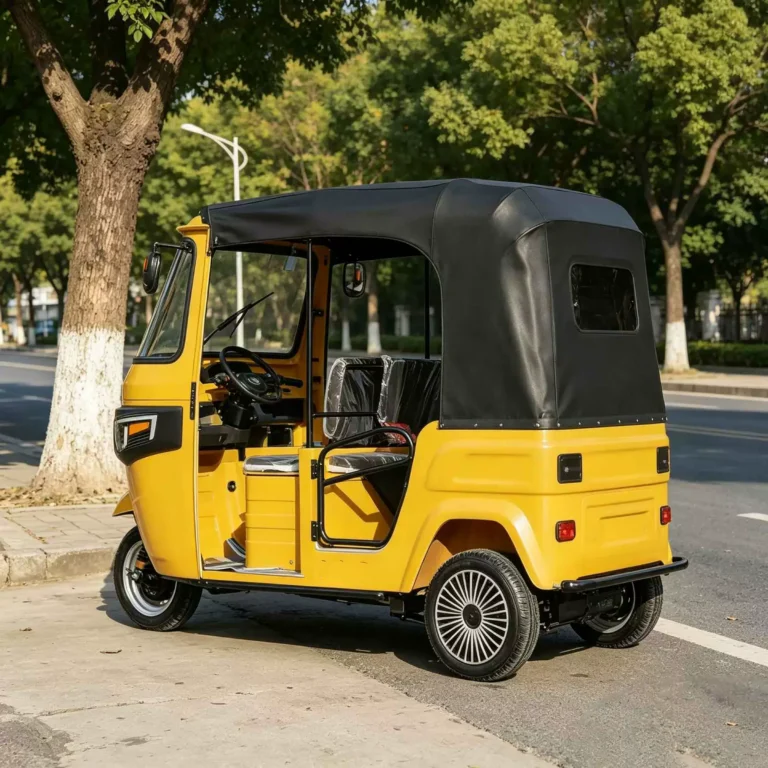
06 · Market guide · Brazil
Three-wheelers for Brazilian passenger and cargo routes.
Brazilian buyers use passenger tuk-tuks, cargo tricycles and motorcycles for urban transport, market delivery and agricultural work across a vast road network. Santos is the main gateway.
AMERICASregion
INMETROcert
2ports
3classes
Buyer profile
Who buys in Brazil
- Urban transport operators
- Market and delivery businesses
- Agricultural buyers
Brazil's mix of dense city routes, market commerce and farm roads matches a broad three-wheeler range. INMETRO certification and import rules apply to regulated categories — confirm the current requirements with your local partner before finalizing the order. Brazil leads the South American three-wheeler market, valued above USD 800 million in 2019 with steady growth since (Research and Markets).
Compliance
Certification to confirm
INMETROBrazil applies INMETRO certification to regulated product categories, with vehicle imports following national rules. Confirm the applicable standards and import route with your local partner before shipment.
Entry port
Where cargo arrives
- Santos
- Paranaguá
Vehicle direction
Models buyers ask about
Passenger tuk-tuksFor urban and tourism routes. →Cargo tricyclesFor market, shop and delivery work. →Agricultural cargo tricyclesFor farm and rural transport. →Order for Brazil
Send your route, quantity and destination port.
We will confirm applicable certification and document requirements for your order.
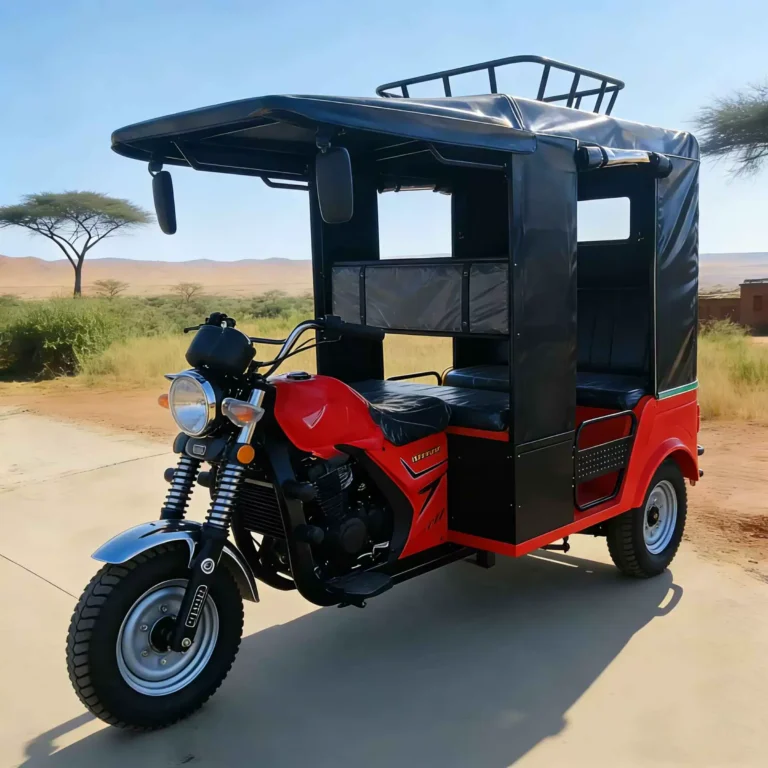
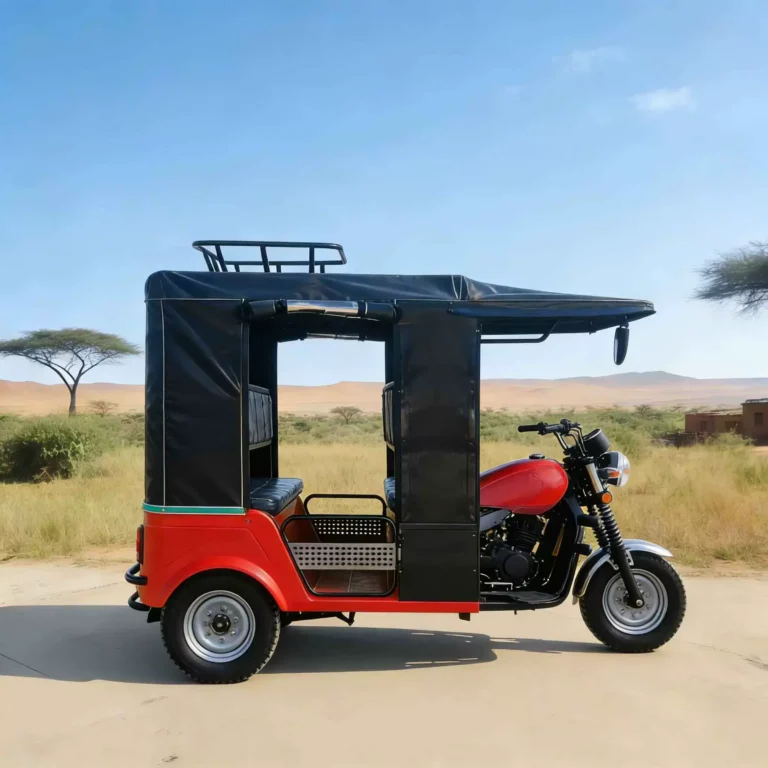
Stock matched to Brazil demand
Current models from the Passenger tuk-tuks line.
Similar markets
Local names & import notes
What buyers in Brazil actually search and ask.
Local terms: mototáxi (passenger), triciclo (cargo, formal), tuk-tuk (informal)
- Mototáxi is the standard name in northern and northeastern Brazil where passenger three-wheelers run registered urban routes; triciclo is the formal cargo term.
- INMETRO certification and national registration apply; Santos, Paranaguá and Itajaí are the main vehicle container ports.
- Municipal permits govern passenger route operation, importers sell to co-ops and operators who already hold route rights.
- Gasoline 150-200cc four-stroke dominates; the Brazilian three-wheeler market was estimated above USD 800 million a year (industry report cited) with continued demand.
- Rough-road regions favour reinforced chassis, load-rated tyres and strong brakes.
Brazil vs regional peers
Side-by-side with neighbouring markets.
Certification and ports differ by destination — compare before you pick the entry route.
| Country | Region | Certification | Entry port | Vehicle direction |
|---|---|---|---|---|
| ★ Brazil · this market | AMERICAS | INMETRO | Santos | Passenger tuk-tuks, Cargo tricycles |
| Mexico | AMERICAS | NOM | Manzanillo | Passenger tuk-tuks, Cargo tricycles |
| Colombia | AMERICAS | National registration | Buenaventura | Passenger tuk-tuks, Cargo tricycles |
| South Africa | AFRICA | ITAC / SABS | Durban | Passenger tuk-tuks, Cargo tricycles |
Buyer questions
Frequently asked questions.
Which certification applies to importing three-wheelers into Brazil?
INMETRO — Brazil applies INMETRO certification to regulated product categories, with vehicle imports following national rules. Confirm the applicable standards and import route with your local partner before shipment.
Which vehicle class fits my operation in Brazil?
Buyers in Brazil typically ask about: Passenger tuk-tuks, Cargo tricycles, Agricultural cargo tricycles. Send your route, payload and distance and we shortlist the matching models.
What documents come with an order?
Commercial invoice, packing list, Bill of Lading and Certificate of Origin, plus market conformity documentation where applicable. All documents are itemized on the proforma invoice.
How do I request a quote for Brazil?
Use the quote form or WhatsApp with your quantity, destination port and vehicle class. Our sales team replies within one business day with matching models and configuration options.