 Weld
Weld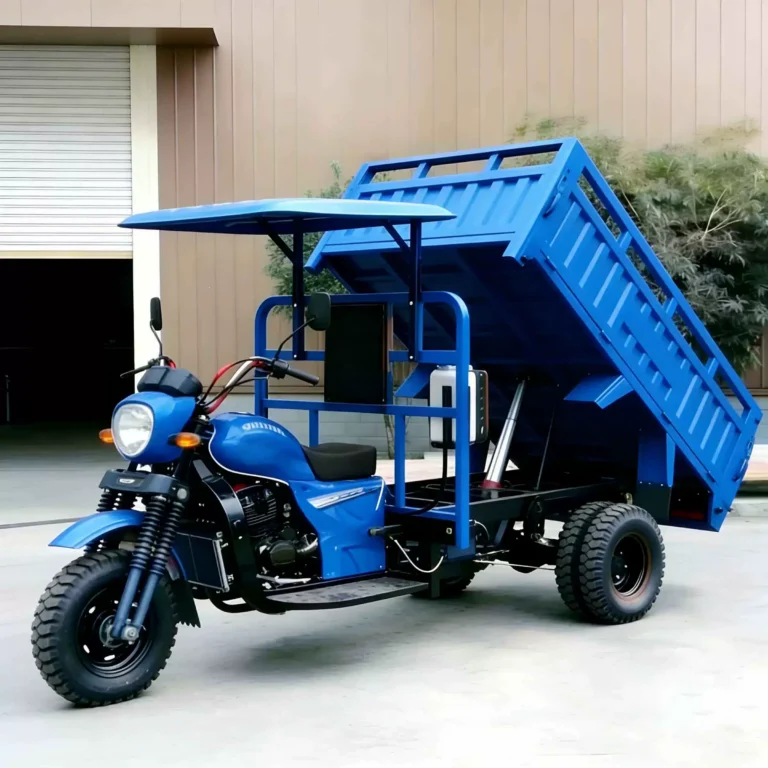
06 · Market guide · Kenya
Three-wheelers for farm transport and East African routes.
Kenya imports three-wheelers for agriculture, market logistics and passenger routes. Mombasa is the main entry port, and inland operators value payload plus fuel economy on mixed roads.
AFRICAregion
PVoCcert
1ports
3classes
Buyer profile
Who buys in Kenya
- Agricultural buyers and cooperatives
- Bodaboda and courier operators
- Market and shop delivery businesses
Mombasa is the main entry port for East African trade, and boda boda and courier operations keep demand steady across the country. Kenya registered about 1.39 million motorcycles by early 2018, with boda boda operations estimated between 0.9 and 1.4 million units; electric motorcycles reached about 9.6% of sales in the first eight months of 2025, and battery-swap tuk-tuk platforms launched in Nairobi in 2026 (PesaCheck; NTSA; Huduma Global; MarqStats).
Compliance
Certification to confirm
PVoCKenya applies Pre-Export Verification of Conformity (PVoC) under KEBS for regulated goods. Check the current regulated list and obtain the conformity certificate before the vessel sails.
Entry port
Where cargo arrives
- Mombasa
Order for Kenya
Send your route, quantity and destination port.
We will confirm applicable certification and document requirements for your order.
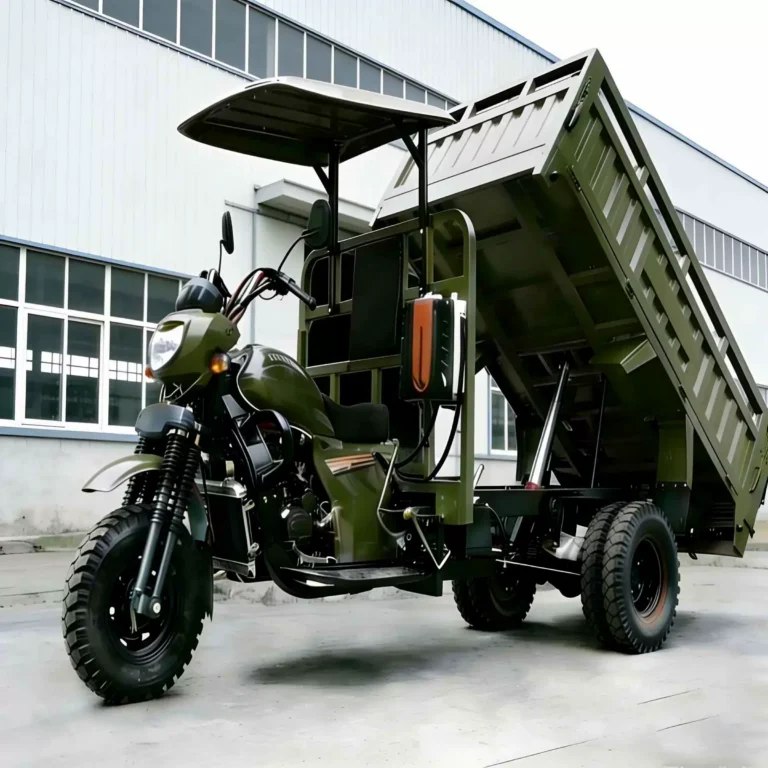
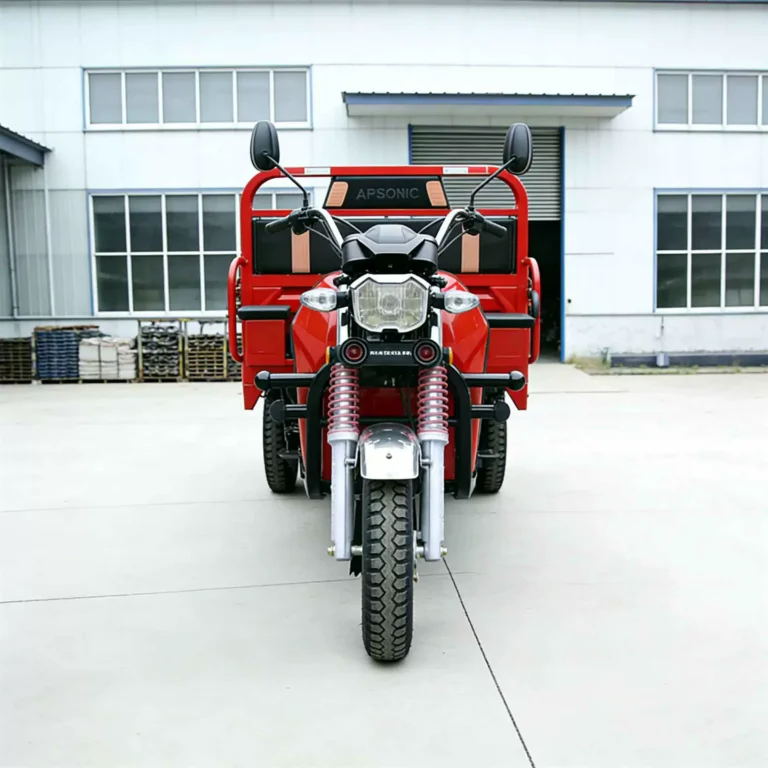
Stock matched to Kenya demand
Current models from the Agricultural cargo tricycles line.
Similar markets
Local names & import notes
What buyers in Kenya actually search and ask.
Local terms: tuk-tuk (passenger), marwa (some regions), boda bike (two-wheeler cousin)
- Kenya runs one of East Africa's deepest small-vehicle cultures: two-wheel boda boda dominated for years, and three-wheel tuk-tuks now serve passengers and cargo where stability and load space beat two wheels.
- PVoC conformity through KEBS is the practical import gate; buyers use a registered PVoC agent who issues the certificate against the invoice before shipment.
- Mombasa is the main container gateway; inland haulage to Nairobi adds roughly one week of transit after vessel discharge, so plan stock accordingly.
- Nairobi battery-swap pilots for electric two/three-wheelers started in 2026, electric short-loop trikes are viable for operators near swap stations, while fuel remains the default for long rural routes.
- Most operators run 180-200 cc four-stroke units; the rear seat bench (5-6 passenger) and cargo box are the two body styles requested.
Kenya vs regional peers
Side-by-side with neighbouring markets.
Certification and ports differ by destination — compare before you pick the entry route.
| Country | Region | Certification | Entry port | Vehicle direction |
|---|---|---|---|---|
| ★ Kenya · this market | AFRICA | PVoC | Mombasa | Agricultural cargo tricycles, Cargo tricycles |
| Nigeria | AFRICA | SONCAP | Lagos — Apapa & Tin Can | Cargo tricycles, Passenger tuk-tuks |
| Tanzania | AFRICA | TBS | Dar es Salaam | Passenger tuk-tuks, Cargo tricycles |
| Uganda | AFRICA | UNBS / PVoC | Mombasa (transit) | Passenger tuk-tuks, Cargo tricycles |
| Ghana | AFRICA | GSA | Tema | Cargo tricycles, Passenger tuk-tuks |
Buyer questions
Frequently asked questions.
Which certification applies to importing three-wheelers into Kenya?
PVoC — Kenya applies Pre-Export Verification of Conformity (PVoC) under KEBS for regulated goods. Check the current regulated list and obtain the conformity certificate before the vessel sails.
Which vehicle class fits my operation in Kenya?
Buyers in Kenya typically ask about: Agricultural cargo tricycles, Cargo tricycles, Motorcycles. Send your route, payload and distance and we shortlist the matching models.
What documents come with an order?
Commercial invoice, packing list, Bill of Lading and Certificate of Origin, plus market conformity documentation where applicable. All documents are itemized on the proforma invoice.
How do I request a quote for Kenya?
Use the quote form or WhatsApp with your quantity, destination port and vehicle class. Our sales team replies within one business day with matching models and configuration options.