 Weld
Weld
06 · Market guide · Thailand
Tuk-tuks for tourism, passenger and cargo routes.
Thailand's tuk-tuk culture makes the vehicle class instantly understood — from Bangkok tourist routes to provincial passenger and cargo work. Laem Chabang is the main gateway.
ASIA-PACIFICregion
TISIcert
2ports
3classes
Buyer profile
Who buys in Thailand
- Tourism and taxi operators
- Market and food delivery
- Distributors and importers
Tuk-tuks are part of Thailand's street identity, which makes specification conversations faster — local operators know exactly what they need. TISI standards and import rules apply to regulated vehicle categories; confirm the current requirements with your local partner before ordering.
Compliance
Certification to confirm
TISIThailand applies TISI industrial standards to regulated product categories, with import rules administered by customs. Confirm the applicable standards and import route with your local partner before shipment.
Entry port
Where cargo arrives
- Laem Chabang
- Bangkok Port
Order for Thailand
Send your route, quantity and destination port.
We will confirm applicable certification and document requirements for your order.
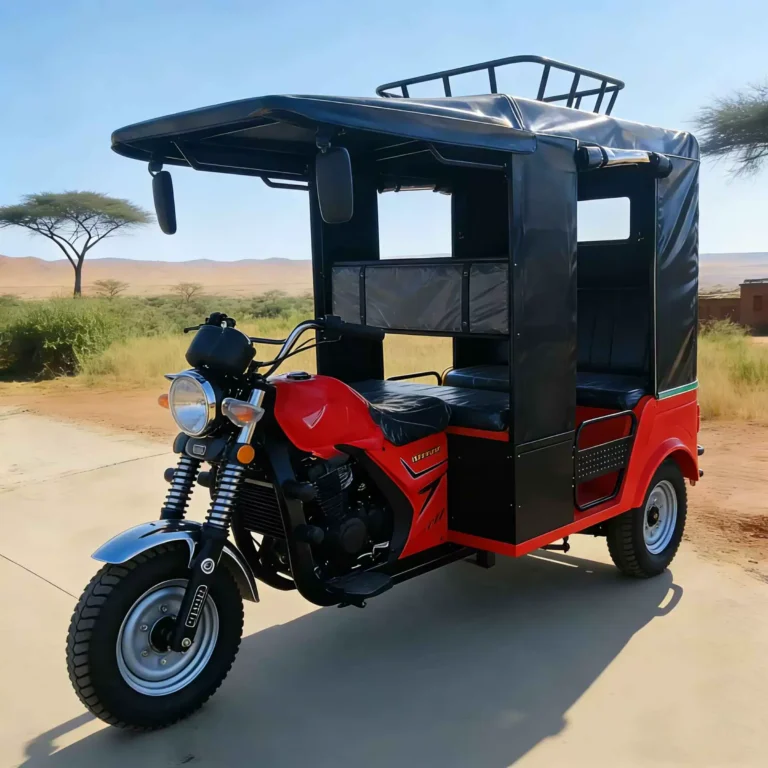
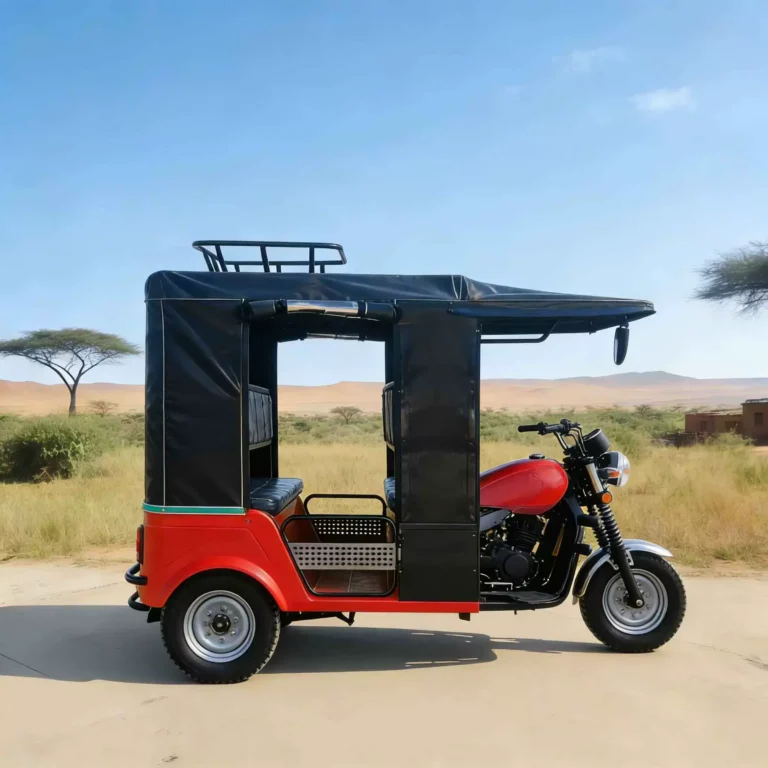
Stock matched to Thailand demand
Current models from the Passenger tuk-tuks line.
Similar markets
Local names & import notes
What buyers in Thailand actually search and ask.
Local terms: tuk-tuk (tourism), samlor (older name)
- Tuk-tuk is Thailand's own export of the name, Bangkok tuk-tuks are a tourism icon and the vehicle class is protected by local registration rules.
- TISI conformity and local registration apply; Laem Chabang and Bangkok Port are the main gateways.
- The realistic import segment is resort and hotel shuttles, private communities and promotional vehicles with custom bodies.
- Electric tuk-tuks are increasingly seen in Phuket, Pattaya and Chiang Mai tourist zones; buyers want quiet, zero-emission units with long battery life.
- Thailand's own manufacturing base means importers must compete on customisation, not commodity price.
Thailand vs regional peers
Side-by-side with neighbouring markets.
Certification and ports differ by destination — compare before you pick the entry route.
| Country | Region | Certification | Entry port | Vehicle direction |
|---|---|---|---|---|
| ★ Thailand · this market | ASIA-PACIFIC | TISI | Laem Chabang | Passenger tuk-tuks, Cargo tricycles |
| Philippines | ASIA-PACIFIC | BPS | Manila — Port of Manila | Passenger tuk-tuks, Cargo tricycles |
| Indonesia | ASIA-PACIFIC | SNI | Tanjung Priok — Jakarta | Passenger tuk-tuks, Cargo tricycles |
| Vietnam | ASIA-PACIFIC | VR | Cat Lai — Ho Chi Minh City | Electric cargo tricycles, Passenger tuk-tuks |
Buyer questions
Frequently asked questions.
Which certification applies to importing three-wheelers into Thailand?
TISI — Thailand applies TISI industrial standards to regulated product categories, with import rules administered by customs. Confirm the applicable standards and import route with your local partner before shipment.
Which vehicle class fits my operation in Thailand?
Buyers in Thailand typically ask about: Passenger tuk-tuks, Cargo tricycles, Electric three-wheelers. Send your route, payload and distance and we shortlist the matching models.
What documents come with an order?
Commercial invoice, packing list, Bill of Lading and Certificate of Origin, plus market conformity documentation where applicable. All documents are itemized on the proforma invoice.
How do I request a quote for Thailand?
Use the quote form or WhatsApp with your quantity, destination port and vehicle class. Our sales team replies within one business day with matching models and configuration options.