Cargo tricycles & tuk-tuks, factory directweldsen.com · Global inquiries
Live factory line-up · updated daily

314 models ready to ship.

Every vehicle factory-checked before export. Filter by power type or jump into a smart preset below — the fastest paths most buyers take.

314in stock
902total models
45markets served
24hquote SLA
CURRENT LINE-UP

314 models for farm transport.

Select a model to see specs, packing options and inquiry form.
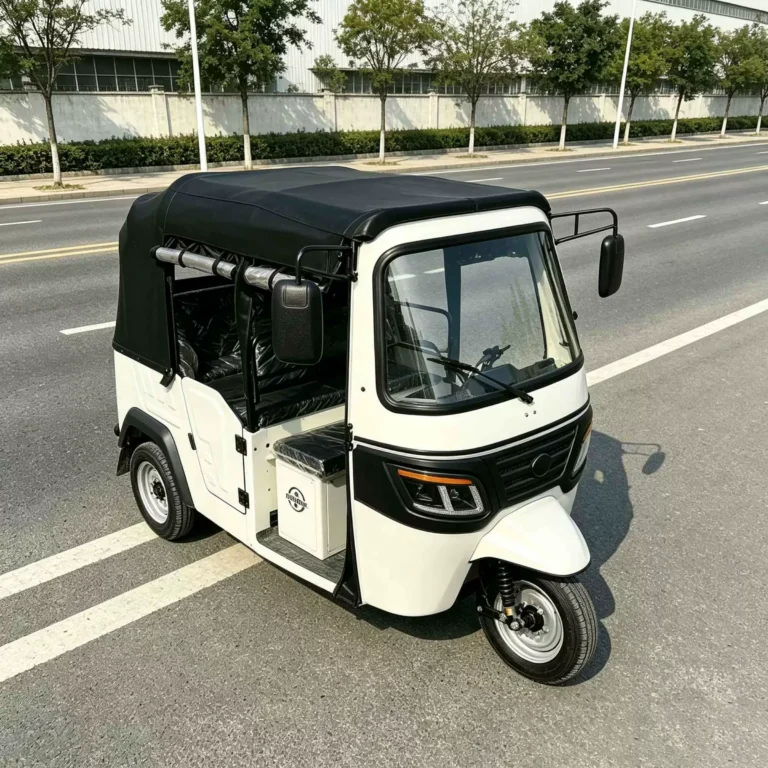
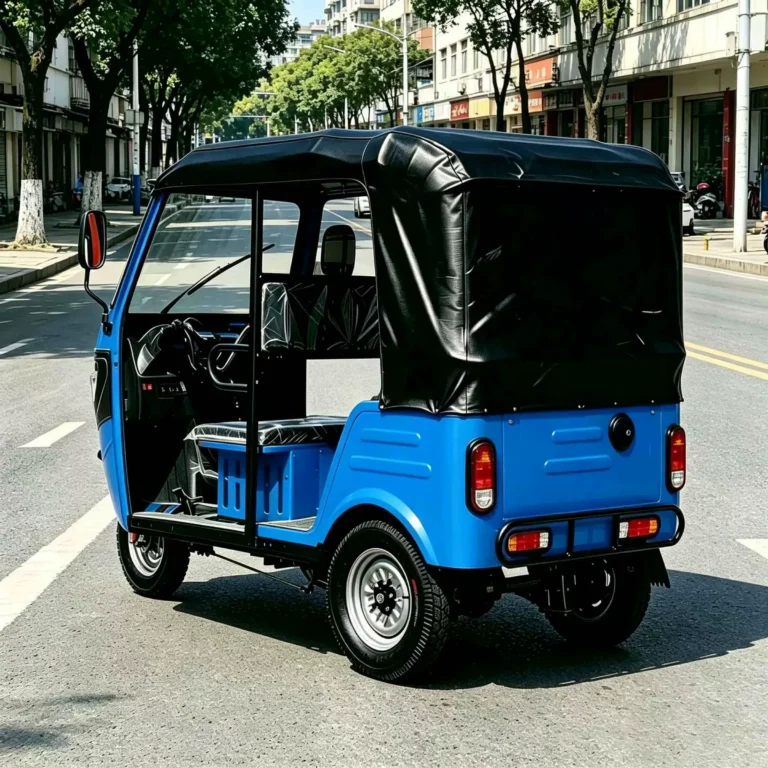
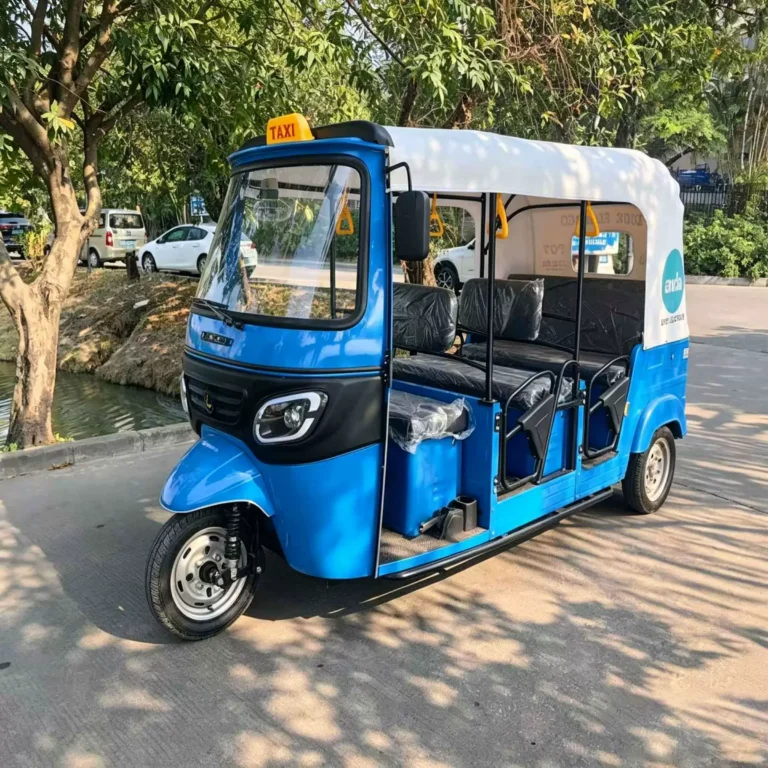
Passenger Tricycle (petrol)Passenger
#JS150ZH-5D-80

Passenger Tricycle (petrol)

Gasoline Passenger Tricycle built for passenger transport, commuting, and sightseeing, designed for reliable performance…

ModelJS150ZH-5D-80PowerPassenger Tuk-tuksPackingCBU·SKD·CKD
Factory direct · 24h quoteOpen brief →
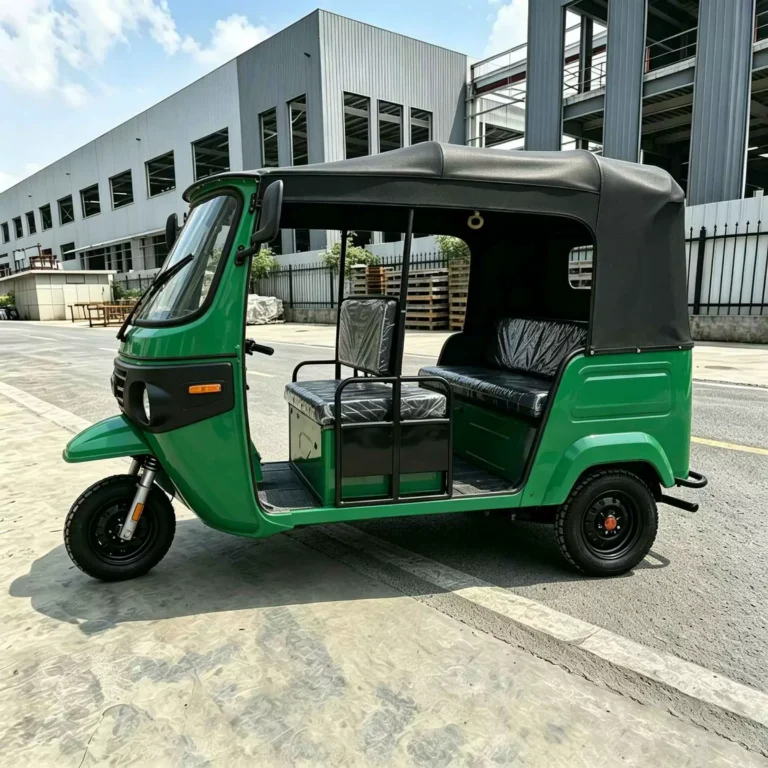
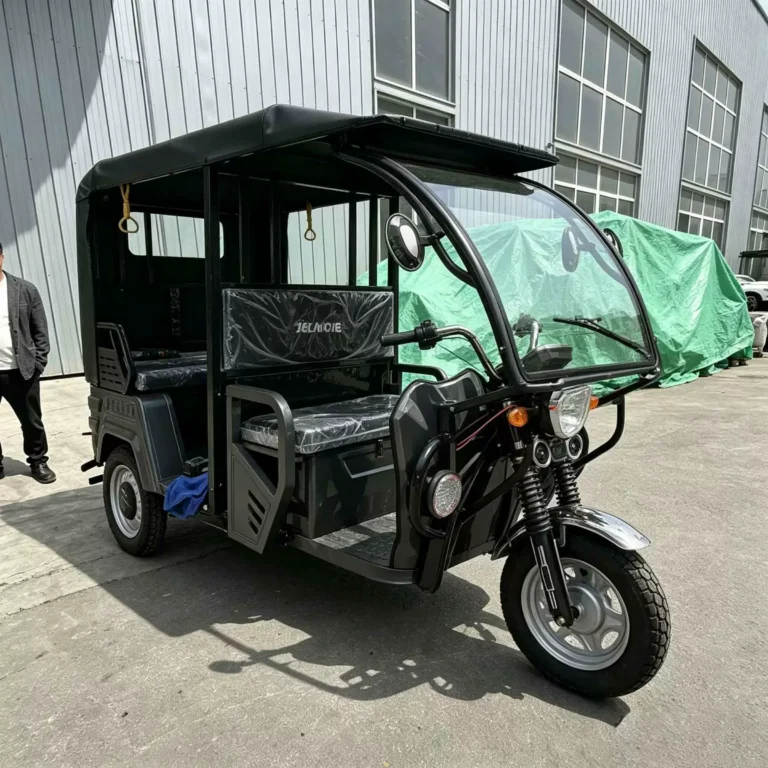
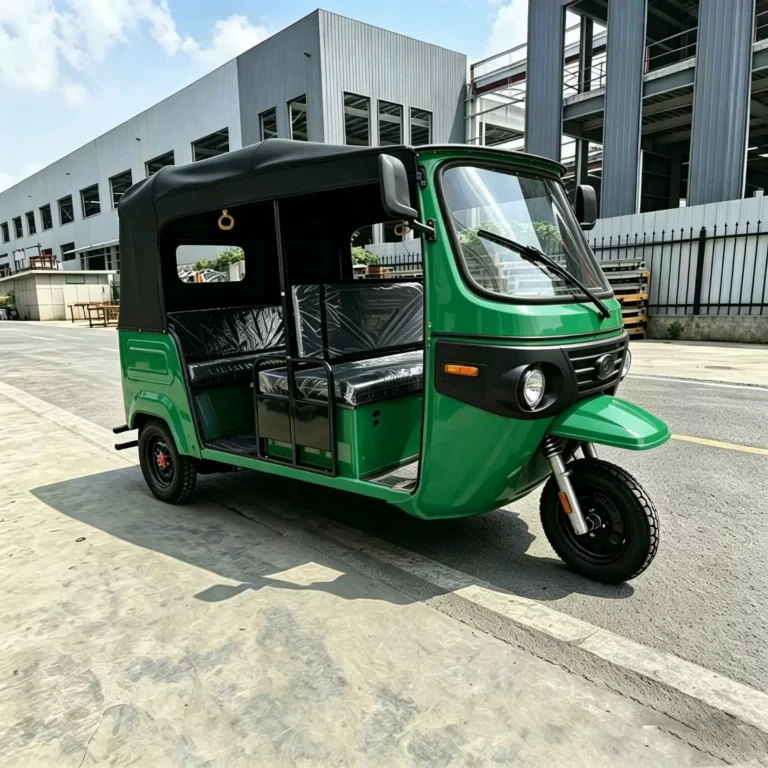
Passenger Tuk-Tuk (petrol)Passenger
#WS-TC-867

Passenger Tuk-Tuk (petrol)

Gasoline Passenger Tuk-Tuk built for passenger transport, commuting, and sightseeing, designed for reliable performance…

ModelWS-TC-867PowerPassenger Tuk-tuksPackingCBU·SKD·CKD
Factory direct · 24h quoteOpen brief →
MODEL MATCHING

Not sure which cargo bed or engine fits your route?

Send us your typical payload, road condition and destination port. We will shortlist matching models within one business day.

Buyer guide · Passenger Tuk Tuks

Choosing the right model in this category.

A passenger tuk-tuk starts earning on day one, so the decision is really about route and seats. A three-seat open unit handles short city hops. Six-seat and dual-row models suit shared routes and school runs. Enclosed cabins are common where rain or dust is a daily problem.

We supply petrol and electric passenger three-wheelers with canopy, semi-enclosed and fully enclosed bodies. Seating, colours and branding are confirmed on the proforma invoice before production starts.

What to check before you order

  • Match seats to the route, not to the maximum. A six-seat unit that runs half full burns more fuel than a three-seat unit that runs full.
  • Canopy or enclosed cabin. Open units cost less and stay cooler. Canopies handle sun and light rain. Full cabins suit dust, heavy rain and routes where passengers carry luggage.
  • Petrol for long days, electric for short loops. Petrol four-stroke holds up on long shifts. Electric wins where the daily distance is short and charging is reliable.
  • Check what the local authority requires. Many cities license passenger three-wheelers as a public transport class, so confirm registration rules before you order.
  • Order the wear parts with the fleet. Brake shoes, cables, filters and tyres are the items that stop a working tuk-tuk, and they ship cheaply in the same container.

How we handle orders in this category

Passenger orders need one extra step before production. We ask what the local authority requires for registration, because a tuk-tuk built for one market can be the wrong class in another. If the seating or body has to change to fit the rules, it is cheaper to find out at the quote stage than after the container arrives.

Frequently asked questions

How many passengers can a tuk-tuk carry?

Layouts range from 2–3 passengers in single-row units up to about 10 in triple-row configurations. Tell us your route type and local licensing class and we match the layout.

Is a tuk-tuk suitable for a taxi business?

Passenger tuk-tuks are configured for shared-route and shuttle operation: durable seating, low running cost and parts compatibility with local service networks. Route licensing is arranged locally by the operator.

Can I order tuk-tuks with an enclosed cabin?

Yes, open, canopy and fully enclosed cabin options are available depending on the model, and the cabin specification is confirmed in writing per order.

What is the difference between a tuk-tuk and a three-wheeled motorcycle?

A tuk-tuk has a passenger cabin and bench seating; a three-wheeled motorcycle keeps a motorcycle-style riding position with three-wheel stability. Send your duty cycle and we recommend the right class.

Do you supply tuk-tuks with OEM branding?

Yes, colours, logos and configuration are confirmed before production, which suits operators building a fleet identity.